


Leading low-alcohol and functional beverage brand
Leading a Low-alcohol and functional beverage brand demands innovation in health, taste, and market strategy. Insights on growth and consumer trends.
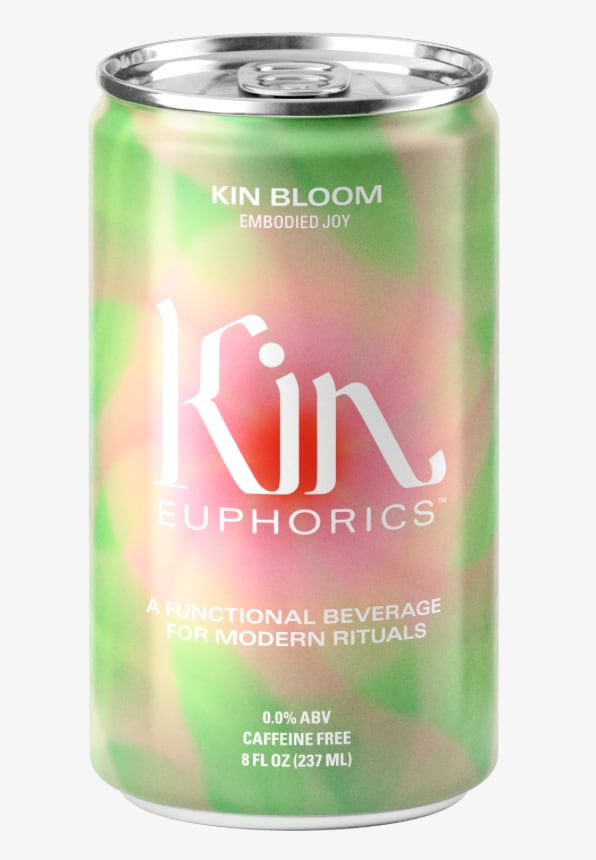
The beverage industry continually shifts, mirroring evolving consumer lifestyles. My experience within this dynamic sector, particularly with a Low-alcohol and functional beverage brand, highlights a clear trend: people seek more than just refreshment. They want intentional consumption. This means drinks that offer specific benefits, like stress reduction, improved gut health, or sustained energy, often with a reduced alcohol content. The operational realities of bringing such products to market are complex, requiring careful consideration of ingredient sourcing, regulatory compliance, and consumer education.
Key Takeaways:
- The market for low-alcohol and functional beverages is driven by consumer demand for healthier, more intentional drink choices.
- Successful brands prioritize specific health benefits, such as gut health or stress reduction, delivered in an appealing format.
- Developing these products involves rigorous ingredient selection, ensuring efficacy and safety.
- Regulatory landscapes, especially in the US, present unique hurdles for health claims and alcohol content labeling.
- Building consumer trust is paramount, achieved through transparency, authentic branding, and clear communication of benefits.
- Innovation in flavor profiles and ingredient combinations is essential to stand out in a crowded market.
- Distribution strategies must align with target consumer demographics and purchasing habits.
- Future growth hinges on continued research, adaptability, and a deep understanding of wellness trends.
The Evolution of a Low-alcohol and functional beverage brand
Our journey began by recognizing a gap: consumers wanted sophisticated adult beverages without the full alcohol impact. They also desired functional benefits typically found in health supplements, but in a more enjoyable, liquid form. This insight sparked the development of a Low-alcohol and functional beverage brand. We focused on natural botanicals, adaptogens, and nootropics, ensuring each ingredient served a purpose. For instance, magnesium for relaxation or prebiotics for digestive support. Crafting appealing flavors, from tart berries to earthy herbs, became crucial to masking functional ingredients while offering a pleasant drinking experience.
The process involved extensive R&D, working with food scientists and flavor experts. We conducted numerous taste tests and gathered feedback to perfect our formulations. Sourcing high-quality, sustainable ingredients was non-negotiable. This commitment to quality and transparency helped build our initial customer base. We had to be clear about what was in our drinks and why, differentiating ourselves from conventional beverages. This meticulous approach established a strong foundation for our products in the US market.
Building Trust in the Wellness Beverage Space
Trust is the bedrock of any successful brand, especially in the wellness category. For a Low-alcohol and functional beverage brand, this means being transparent about ingredients, sourcing, and the scientific backing for claimed benefits. We actively share information about our supply chain and the experts we collaborate with. Our packaging clearly lists all components and their intended effects, avoiding ambiguity. This open communication is vital for consumers who are increasingly skeptical of unsubstantiated health claims.
Our approach includes educating consumers, not just selling to them. We explain the science behind adaptogens or the role of specific vitamins. This engagement fosters a sense of authenticity. Collaborating with nutritionists and wellness experts further validates our offerings. Positive testimonials and genuine feedback from people experiencing the benefits reinforce our credibility. This honest interaction builds a loyal community around the brand, critical for long-term growth and acceptance.
Operational Challenges for a Low-alcohol and functional beverage brand
Operating a Low-alcohol and functional beverage brand involves navigating a complex web of challenges. Production scale-up is often tricky. Maintaining consistent quality and efficacy across large batches requires robust manufacturing protocols. We faced hurdles securing reliable suppliers for niche ingredients, ensuring they met our purity standards. Shelf stability and preservation without artificial additives were another significant technical puzzle we had to solve, impacting packaging choices and distribution logistics.
Beyond production, regulatory compliance demands constant attention. The distinction between a functional food and a dietary supplement can be nuanced, impacting labeling and marketing claims. Alcohol content, even if low, brings specific legal requirements, varying state by state within the US. These regulations influence everything from advertising to retail placement. Effective distribution also requires partners who understand the unique needs of specialty beverages, ensuring products reach consumers in optimal condition.
Future Prospects for Specialty Wellness Drinks
The trajectory for specialty wellness drinks remains positive. Consumer awareness about personal health continues to grow, fueling demand for products that support well-being. We see opportunities in expanding our product lines to address new functional areas, such as cognitive enhancement or athletic recovery. Innovation in non-alcoholic spirits and craft mocktails, often incorporating functional elements, is also a promising avenue. The market shows a strong preference for sophisticated, adult-oriented options that fit into a mindful lifestyle.
Technological advancements in ingredient science and production methods will allow for even more targeted and effective formulations. Personalization, perhaps through AI-driven recommendations based on individual health profiles, could redefine the consumer experience. As this segment matures, brands that prioritize authenticity, scientific rigor, and exceptional taste will continue to lead. The future is bright for beverages that offer both enjoyment and tangible health advantages, especially those that fit the ethos of conscious consumption.