

Understanding Inflation Effects on Retail
The retail landscape is constantly shifting, influenced by a multitude of factors ranging from technological advancements to evolving consumer preferences. However, one force consistently exerts a significant pressure: inflation. Understanding how inflation impacts retail is crucial for businesses and consumers alike. From altering purchasing habits to reshaping operational strategies, the inflation effects are far-reaching.
Key Takeaways:
- Inflation directly increases the cost of goods and services in retail, impacting consumer spending.
- Retailers are forced to adapt through strategies like price adjustments, promotions, and supply chain optimization.
- Consumers react to inflation by seeking discounts, switching brands, and prioritizing essential purchases.
- Understanding inflation effects empowers both retailers and consumers to make informed decisions in a fluctuating economic environment.
How Inflation Directly Impacts Retail Prices
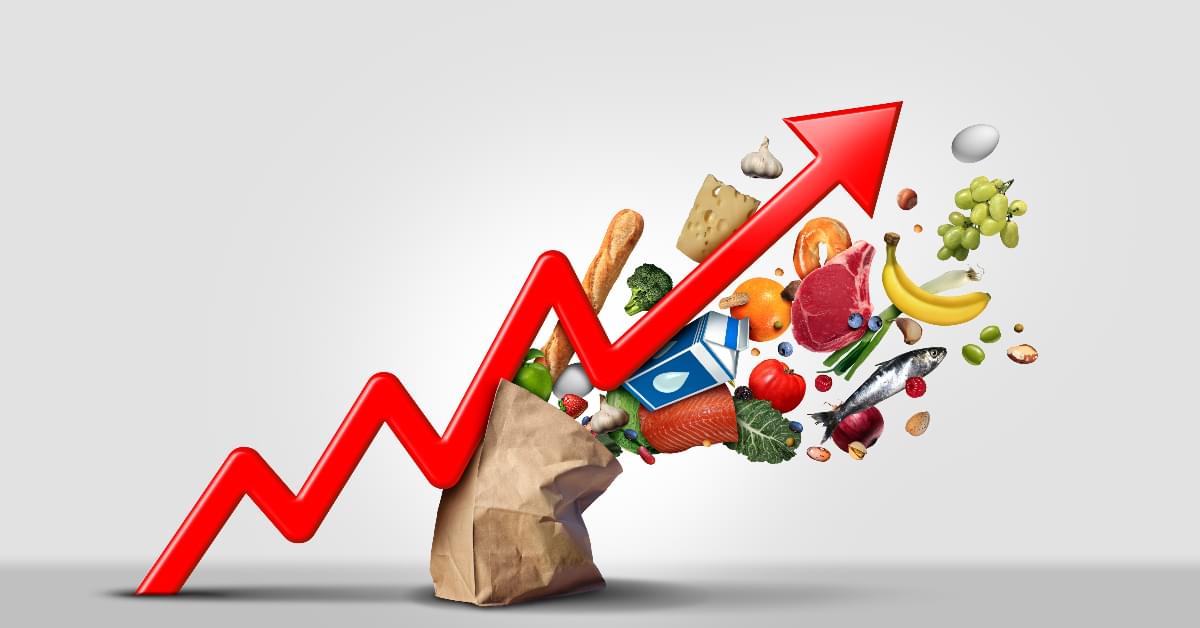
The most immediate and noticeable impact of inflation on retail is the increase in prices. When the cost of raw materials, manufacturing, and transportation rises, retailers are often compelled to pass these expenses on to consumers. This results in higher price tags on everything from groceries and clothing to electronics and household goods. The extent to which retailers can absorb these costs varies depending on their profit margins, market position, and competitive landscape. Some businesses may choose to absorb a portion of the increased costs to retain price-sensitive customers, while others may fully pass them on to maintain profitability. These decisions heavily depend on what their competitors do.
This increase directly impacts consumer spending. With their purchasing power diminished, consumers may cut back on discretionary spending, postpone non-essential purchases, or seek out cheaper alternatives. The demand for certain goods may decrease, leading retailers to adjust their inventory levels and marketing strategies.
Consumer Behavior and the Inflation Effects on Retail
Consumer behavior undergoes significant shifts during periods of inflation. As prices rise, consumers become more price-conscious and actively seek ways to save money. This often involves:
- Trading Down: Consumers may switch to cheaper brands or generic products to save money. For example, a shopper who typically buys a premium brand of coffee might opt for a store brand to reduce their grocery bill.
- Seeking Discounts and Promotions: Consumers become more attentive to sales, coupons, and loyalty programs. Retailers often respond by offering more frequent and aggressive discounts to attract and retain customers.
- Prioritizing Needs over Wants: During inflationary periods, consumers tend to focus on essential purchases such as food, housing, and healthcare, while cutting back on discretionary spending like entertainment, dining out, and luxury goods.
- Delaying Purchases: Consumers may postpone buying durable goods like appliances, furniture, or automobiles until prices stabilize or they can find a better deal. This can significantly impact retailers who sell these types of products.
Retail Strategies to Counteract Inflation Effects
Retailers employ various strategies to mitigate the negative impacts of inflation on their businesses. These strategies often involve a combination of price adjustments, cost-cutting measures, and efforts to maintain or increase sales volume. Some common strategies include:
- Price Optimization: Retailers carefully analyze their pricing strategies to find the optimal balance between maintaining profitability and attracting customers. This may involve raising prices on some items while offering discounts on others. They will often use software that can analyze the market to assist with this.
- Supply Chain Management: Retailers may seek to streamline their supply chains, negotiate better deals with suppliers, or find alternative sourcing options to reduce costs. This could involve switching to cheaper raw materials, consolidating shipments, or renegotiating contracts with logistics providers.
- Product Mix Adjustments: Retailers may adjust their product mix to focus on items that are less sensitive to price increases or that offer better value to consumers. This could involve increasing the proportion of private-label brands or offering more affordable alternatives to premium products.
- Promotional Activities: Retailers often increase their promotional activities during inflationary periods to attract customers and stimulate sales. This can include offering discounts, running sales events, or launching loyalty programs.
Navigating the Inflation Effects: What Does It Mean for Us?
For consumers, understanding the inflation effects on retail is essential for making informed purchasing decisions and managing their budgets effectively. By being aware of the factors driving price increases and the strategies retailers are using to cope with inflation, consumers can adapt their spending habits accordingly. This might involve cutting back on discretionary spending, seeking out discounts, and being more selective about the products they buy.
For retailers, effectively managing the inflation effects is critical for maintaining profitability and competitiveness. This requires a proactive approach that involves careful analysis of market trends, strategic pricing decisions, and a focus on delivering value to customers. It also necessitates a strong understanding of consumer behavior and the ability to adapt to changing market conditions. By prioritizing customer needs and finding creative ways to offer value, retailers can weather the storm of inflation and emerge stronger in the long run. This will allow us to adjust our business plans.