
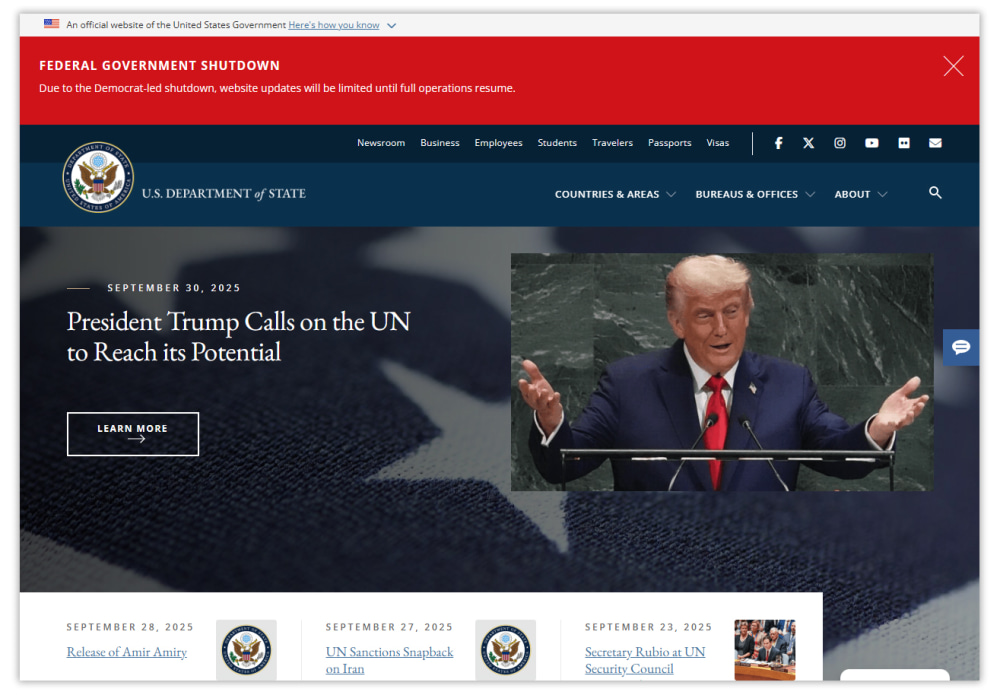

Government Announcements That Impact Firms
For businesses of all sizes, keeping abreast of changes in regulations is vital for smooth operation, risk mitigation, and continued growth. Government updates can often feel like navigating a maze, but understanding their impact is crucial for strategic planning and maintaining a competitive edge. Failing to adapt can lead to penalties, legal issues, and even damage to your company’s reputation. That’s why we’re here to break down some of the most significant government updates affecting firms today, making sense of the complex landscape and offering insights into how you can prepare.

Key Takeaways:
- Recent government updates span various areas, including labor laws, tax regulations, and environmental compliance.
- Understanding these changes allows businesses to proactively adjust their strategies and avoid potential penalties.
- Utilizing available resources and seeking expert advice is crucial for successful adaptation to new regulatory environments.
- These regulations affect us all, requiring constant vigilance and adaptation.
Understanding Recent Government Updates Impacting Firms
The range of government updates that impact businesses is broad, encompassing everything from federal legislation to state-specific regulations. Recently, we’ve seen significant activity in areas such as labor laws, with changes to minimum wage requirements, overtime rules, and employee classification guidelines. The Department of Labor continues to refine these standards, requiring companies to carefully review their employment practices to ensure compliance.
Tax laws are another area subject to frequent revisions. New deductions, credits, and reporting requirements can significantly affect a company’s tax burden. Staying informed about these changes and seeking expert advice from tax professionals is essential for optimizing tax strategies and avoiding costly errors.
Environmental regulations are also becoming increasingly stringent. Businesses are facing greater scrutiny regarding their environmental impact, with new rules related to emissions, waste disposal, and resource consumption. These regulations often vary by industry and location, requiring companies to conduct thorough assessments and implement appropriate compliance measures. These standards affect us directly and indirectly.
Key Government Updates: Navigating Labor Law Changes
Labor laws are in constant flux, making it challenging for businesses to keep up. Recent government updates have focused on worker protections, fair wages, and workplace safety. For example, the “PRO Act” seeks to strengthen workers’ rights to organize and collectively bargain, potentially impacting unionization efforts across various industries. Similarly, the increase in state and local minimum wage laws is forcing businesses to reevaluate their compensation structures and budgets.
Furthermore, the rise of remote work has introduced new complexities to labor law compliance. Companies must now navigate issues such as remote worker safety, data privacy, and wage and hour regulations across different jurisdictions. This requires a comprehensive understanding of the legal landscape and a proactive approach to addressing potential risks. These labor law changes affect us as employers and employees.
Preparing Your Firm for New Tax Regulation Government Updates
Tax regulations are notoriously complex, and recent government updates have only added to the confusion. The Inflation Reduction Act, for example, includes significant changes to corporate tax rates, clean energy incentives, and healthcare subsidies. Businesses must understand these changes to take advantage of available opportunities and avoid potential penalties.
The IRS continues to focus on compliance enforcement, with increased scrutiny of tax avoidance schemes and aggressive tax planning strategies. Companies should ensure that their tax filings are accurate and transparent, and that they have appropriate documentation to support their positions. Working with qualified tax advisors can help businesses navigate these challenges and minimize their tax liabilities. Ignoring these regulations affects us all through the economy.
Meeting Compliance Requirements with Environmental Regulations Government Updates
Environmental regulations are becoming increasingly important for businesses across all sectors. Government updates are pushing firms to adopt sustainable practices, reduce their environmental footprint, and comply with stringent reporting requirements. From greenhouse gas emissions to waste management, businesses are facing greater scrutiny and stricter penalties for non-compliance.
The EPA continues to issue new regulations related to air and water quality, hazardous waste disposal, and chemical safety. Businesses must stay informed about these changes and implement appropriate measures to comply. This may involve investing in new technologies, adopting sustainable business practices, and developing comprehensive environmental management systems. Embracing these changes affects us by protecting our environment.